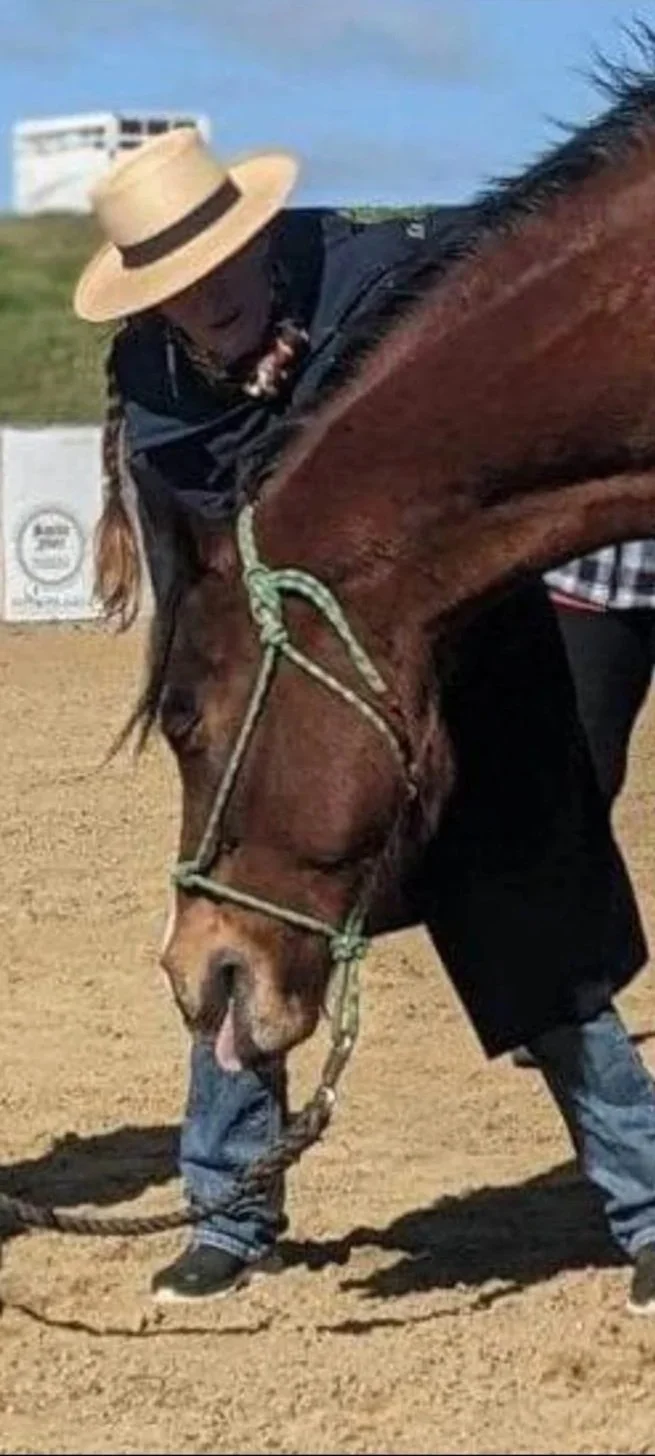
What Can Cause Nerve Compression
Lack of free movement
Poor training styles
Poor trimming or shoeing practices
Prolonged tension
Compensation patterns
Ulcers
Pull back episodes
Poor tack fit
Prolonged “fight/flight”
Facial restrictions or lack of glide
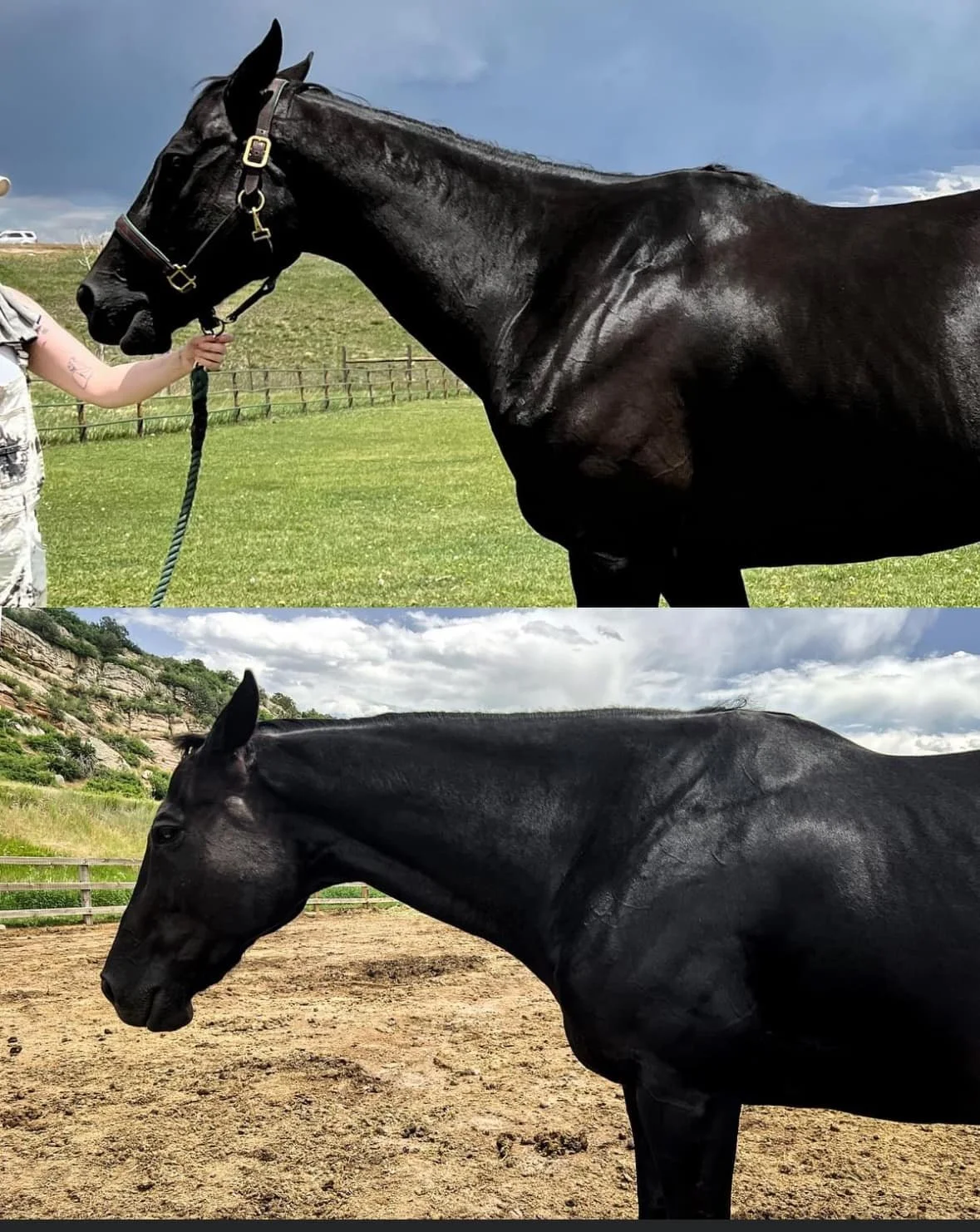
Lazaris Nerve Release Technique
Created by Celeste Lazaris, this proprietary manual therapy is the first of its kind. It is focused around releasing suspected nerve impingements, specifically focusing around alleviating restrictions around the brachial plexus and lumbosacral plexus. For every disciple, for every level, for every horse!
Signs Your Horse Can Benefit From Nerve Release
Chronic Thoracic Failure
Negative angled spine
Decreased performance
Undiagnosed or “Ghost” lameness
Muscle asymmetry
“Behavioral” issues such as bucking, biting, flinching, kicking, spooking
Cross firing
Head Shaking/Head or Ear Shy
Postural compensations
Toed in or toed out
Camped under or over extended
Roached back
Topline Syndrome