
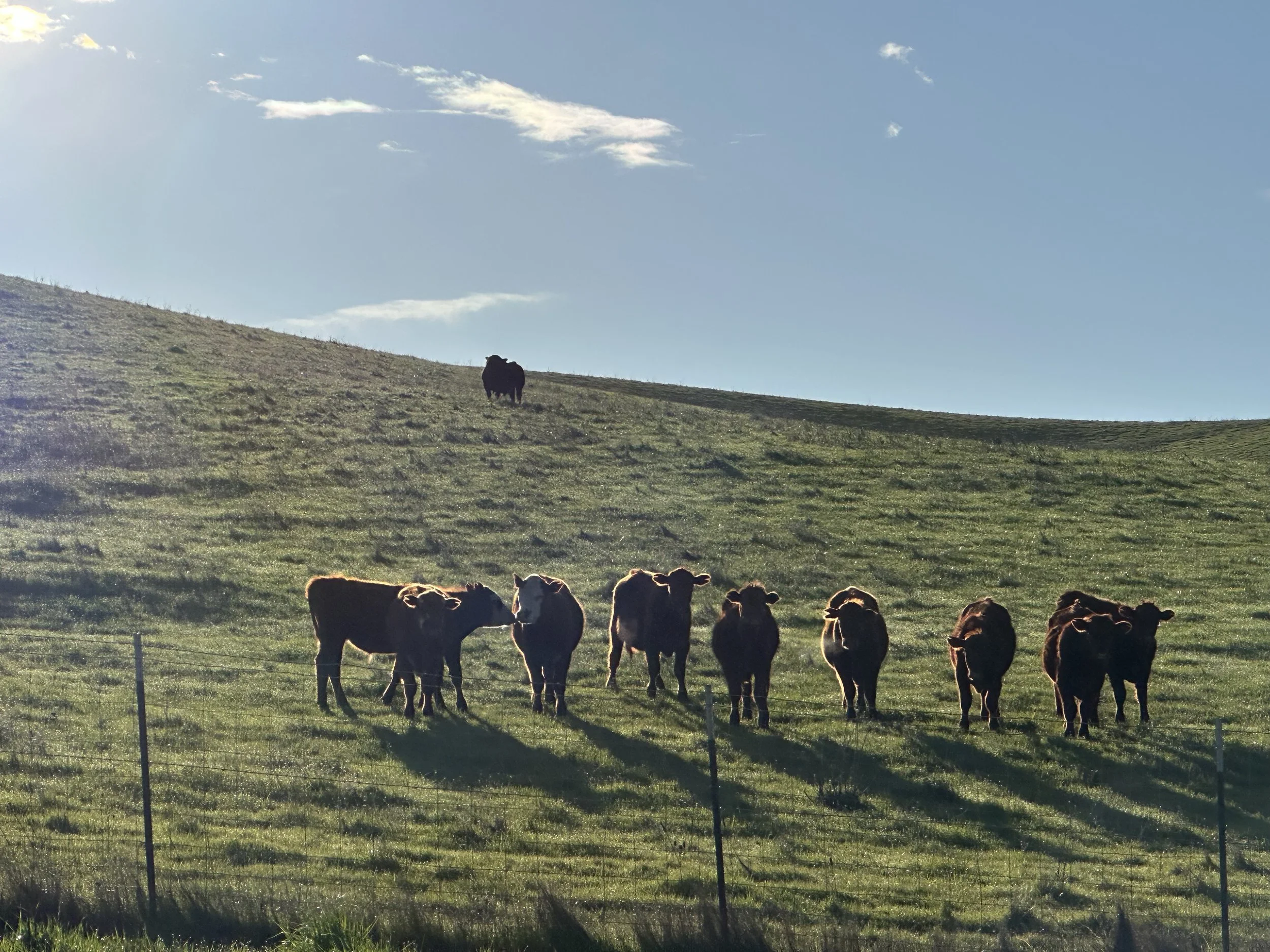
Choose the Clinic Type that is Right for You
Jaquima de Freno
Making of a Traditional California Spade Bit Horse
I have an insatiable desire to reach levels I don’t yet know exist.
In building a traditional Californio spade-bit horse, there are no shortcut—it’s a lifelong commitment to refinement.
Every ride, every day, I uncover something small: a subtle feel, a tiny adjustment, a deeper understanding of how this gear communicates with a horse’s body and mind. Those moments continually challenge my skill and invite me to level up—again and again.
So what does this mean for you?
Maybe you’re simply curious about the mystery of the spade bit.
Or maybe you feel a deeper pull—a genuine desire to dedicate your horsemanship journey to developing a true bridle horse.
Wherever you are, I can walk you through it.
One ride at a time.
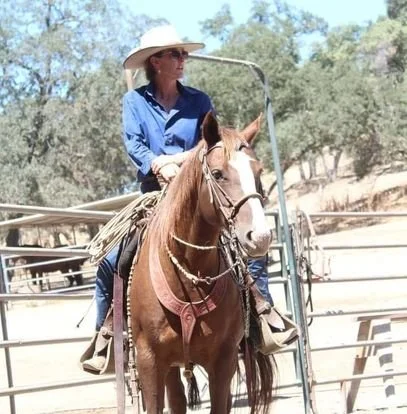
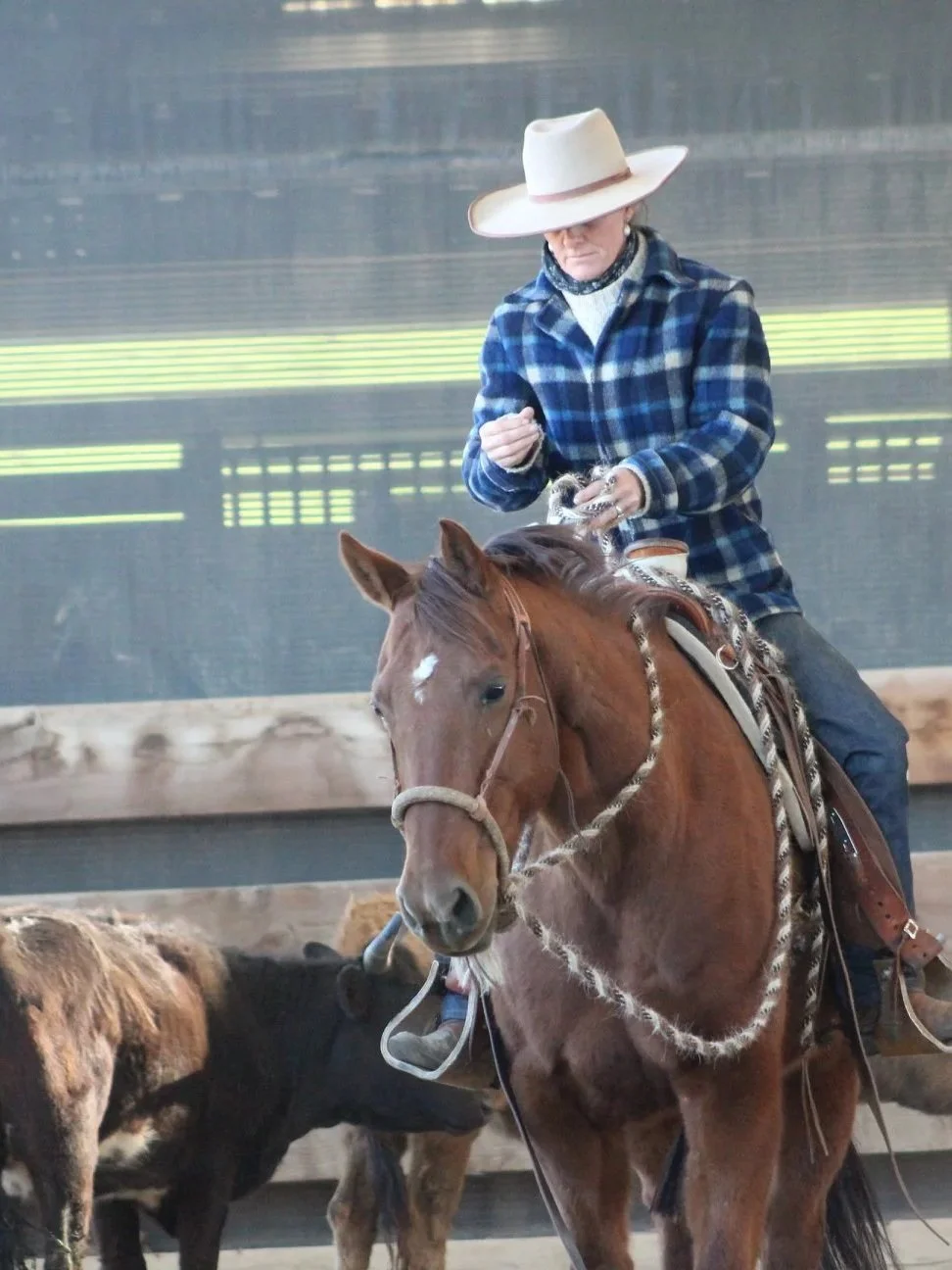
Cattle Handling Clinics
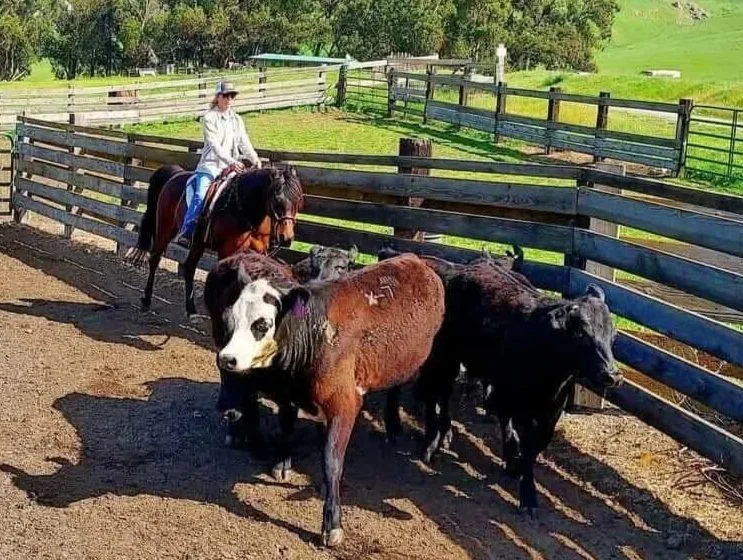
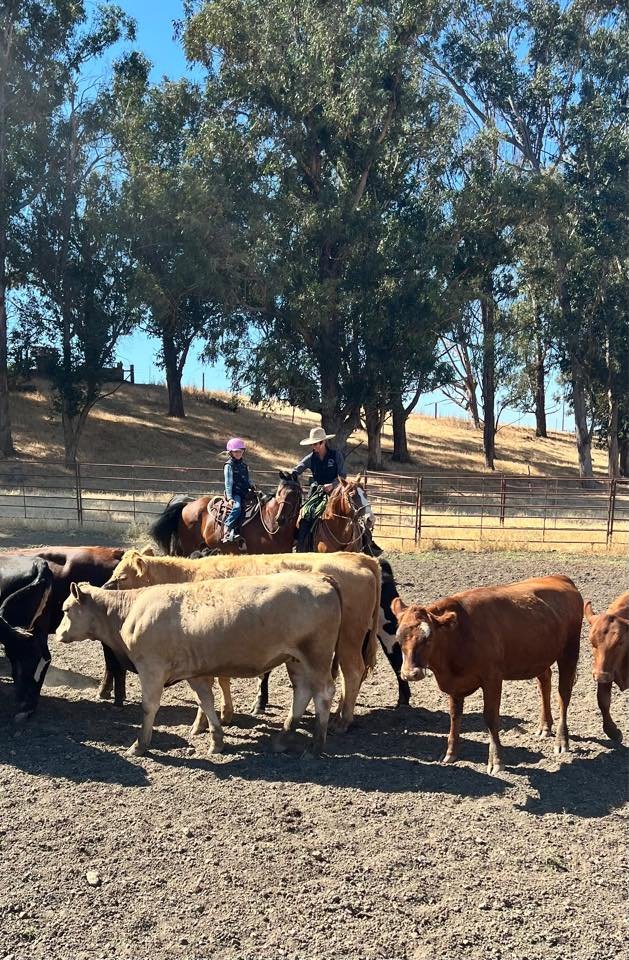
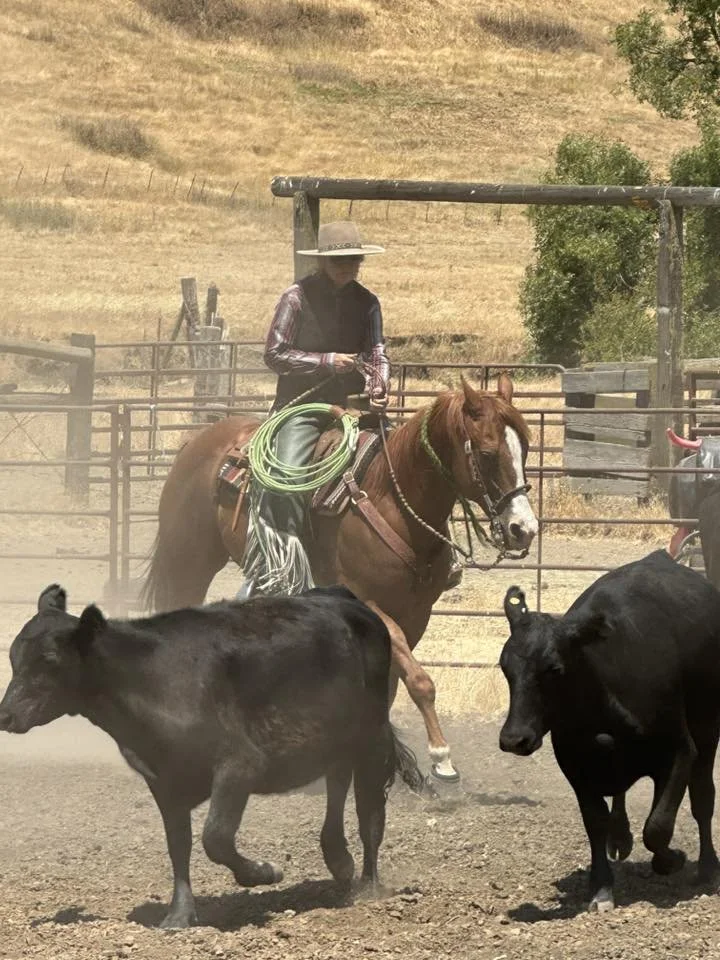
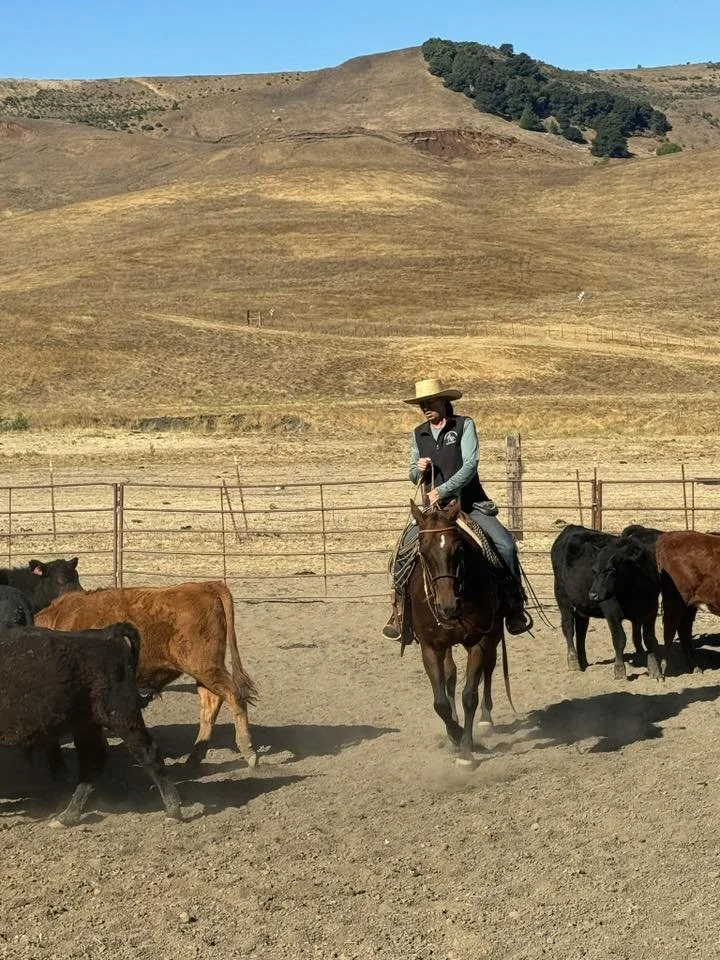
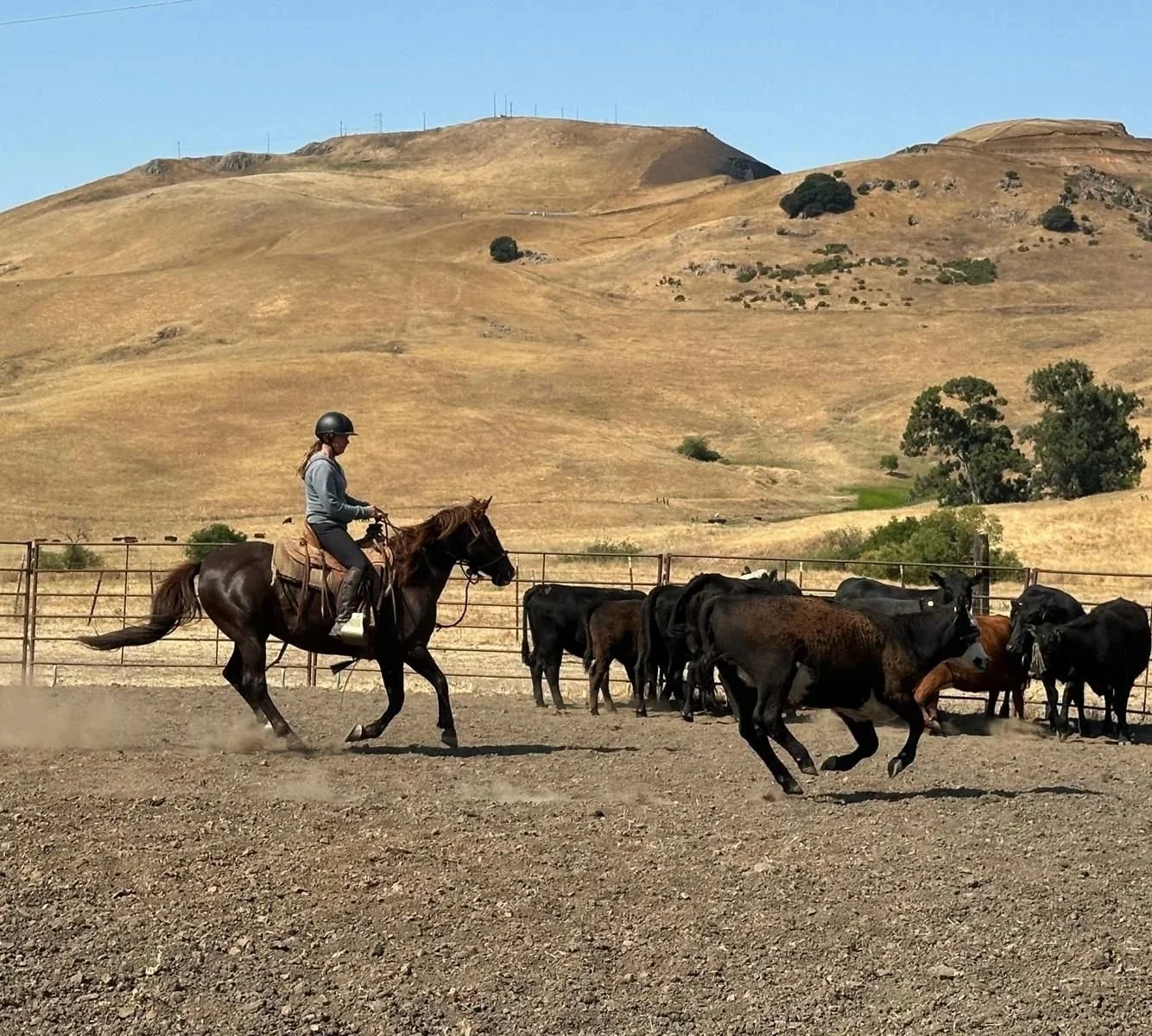
Whether you are looking for a safe environment to expose your horse to cattle for the first time or getting serious about your stockmanship, I can support you and your horse at every level of learning.
Introduction to Cattle Handling
Introducing horses to cattle for the first time
Using cattle to help horses learn to regulate their nervous system
Improving your proficiency in reading and handling cattle
Beginner rope handling, if interested.
Come for the day and learn skills for a lifetime.
Whats available…
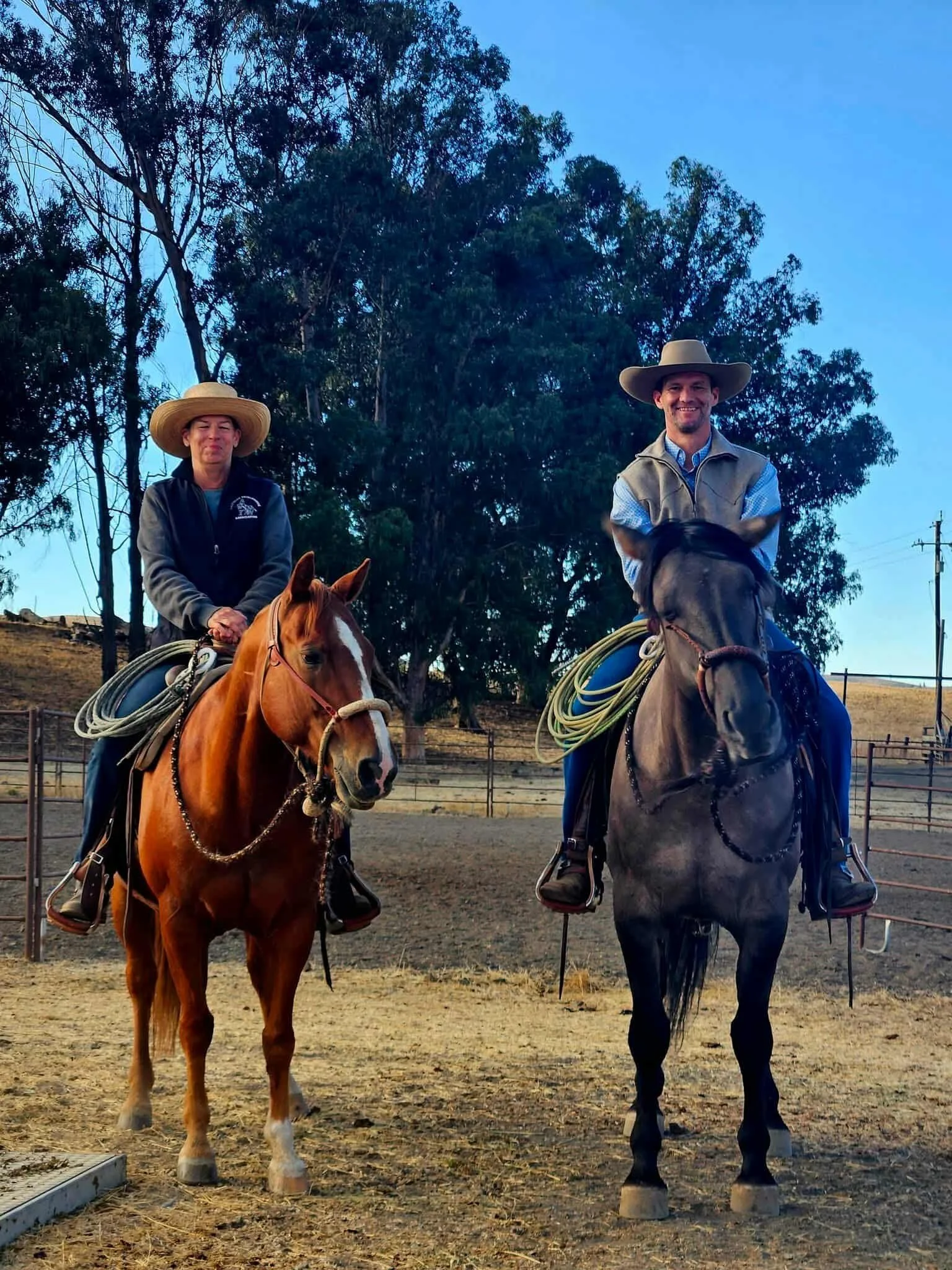
There are several ways to get your fill of playing cowboy!
Private packages for you and a small group or friends or clients.
Single day Cattle Handling Clinics.
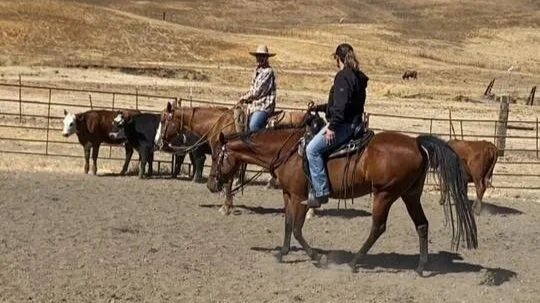
All Skill Levels Welcome!!
Advanced Stock Horse Series
Out of the arena and into the ranch!
Lets start by defining what it means to be a traditional Stock Horse.
Versatility is the key component that sets these horses apart. They are developed with time and patience to be able to perform any task called upon in any given day on ranch. They are bred and trained for long days of working cattle, able to travel sound in rough and varying terrain, respond quickly and lightly to the riders signals and remain regulated and mentally steady.
This is a perfect summation of my goal for every horse I encounter.
Whether your priority includes ranch work or not, this series will help you and your horse achieve the partnership and versatility to reach any of your horsemanship goals.
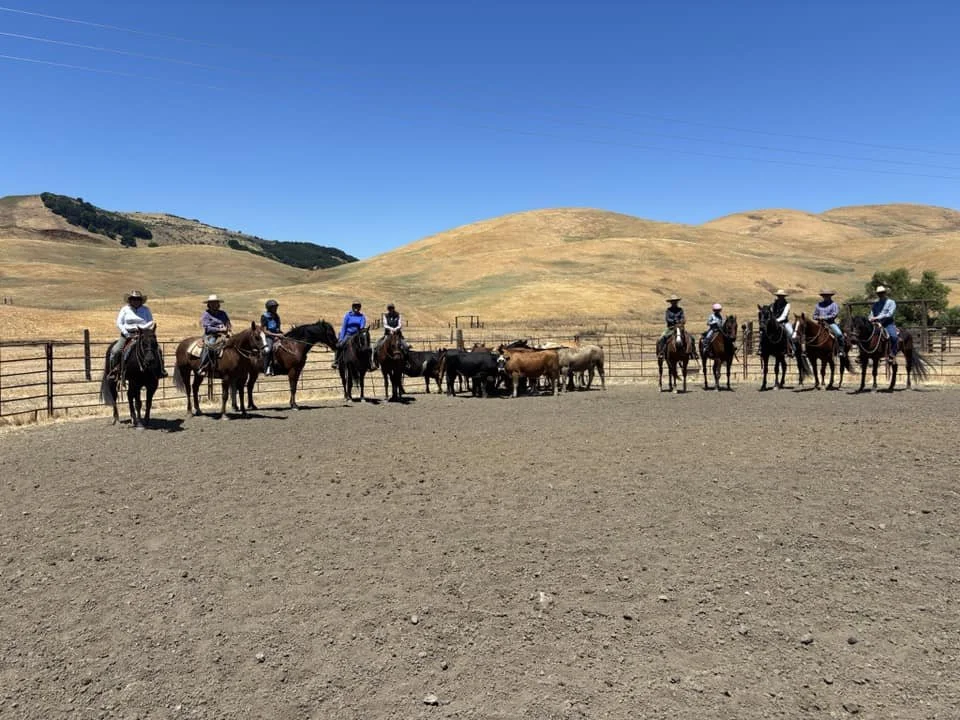
Participation in this series requires the following prerequisites:
You must have attended at least 1 Introduction to Cattle Clinic Days or attended at least 1 Private Intensive that were focused on cattle handling and horsemanship.
You horse MUST be able to be ridden outside and comfortable in all terrain.

Balance Through Movement Method
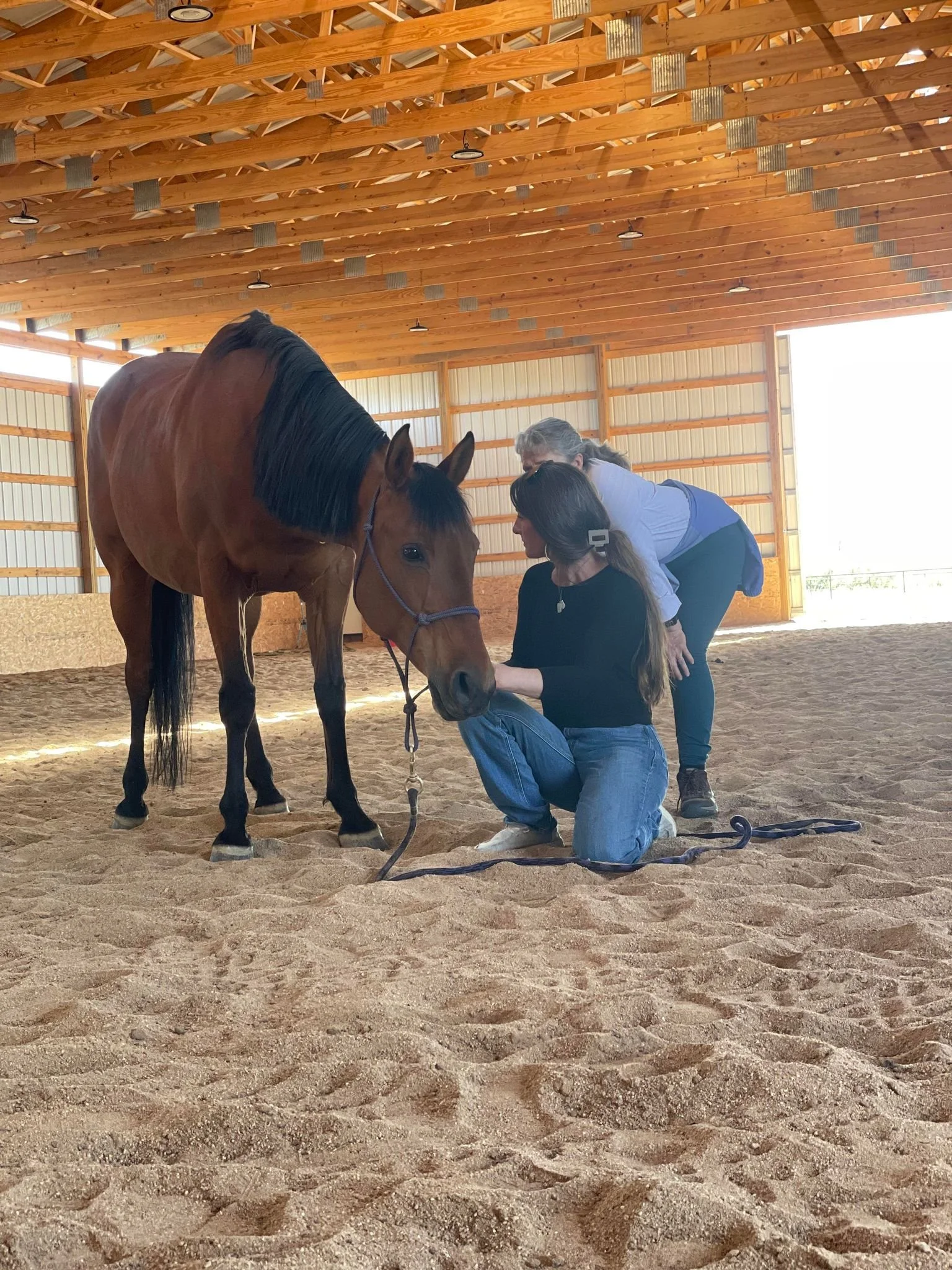
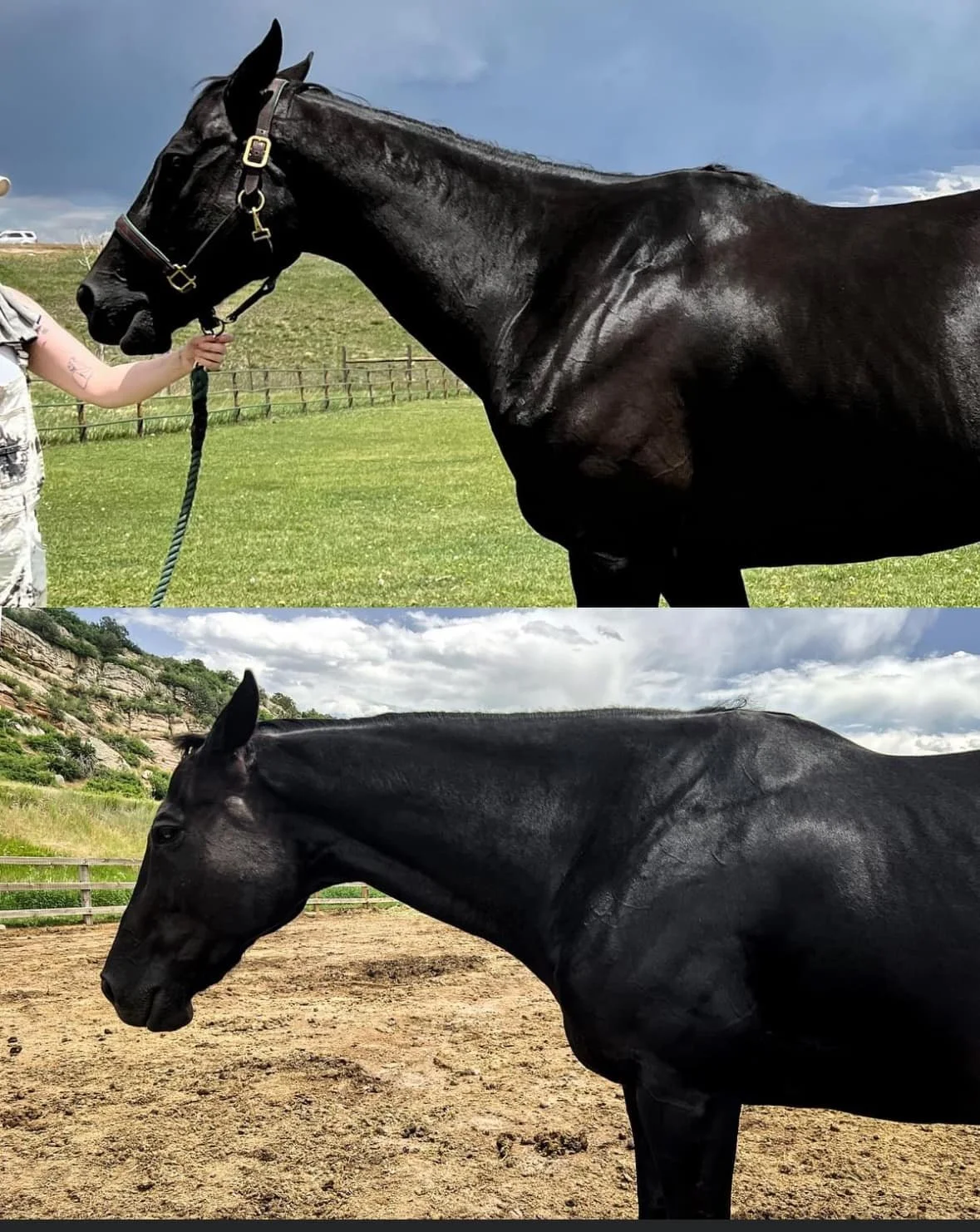
Balance Through Movement Method™, developed by Celeste Lazaris, a revolutionary approach to balacing the body and resetting the nervous system. The 3 Pillars of the BTMM are centered around treating and preventing nerve and spinal compression and solving undiagnosed lameness.
This performance training system is designed to help the horse achieve optimum balance and strength through the development of body and mind.
Pillar 1
Principles of Connection
At BTMM, we emphasize the importance of a horse’s nervous system in how it relates to their relationship to connection as the foundation for their overall well-being.
This principle is our top priority in all aspects of our work.
Pillar 2
Center of Balance
Taking the relaxation and gentle activation found in Pillar One into finding core stability and developing the muscles necessary for self-carriage from the thoracic sling down through the hind end.
Pillar 3
Spinal Integrity
Many horses tend to over-rely on their neck and back due to inadequate range of motion (ROM) in their limbs. This overcompensation can lead to a myriad of issues, including nerve dysfunction and dural torque resulting from compromised spinal integrity, as well as excessive wear and tear on joints, so this last pillar is focused on restoring just that.
“Horses feel safe within boundaries. These boundaries must be presented with confidence. Thats what make sense to the horse.”
-Heather Kornemann